DreamSpace
DreamSpace
Interior App Design
Interior App Design
Year: 2024
Year: 2024
Figma
Figma
Introduction
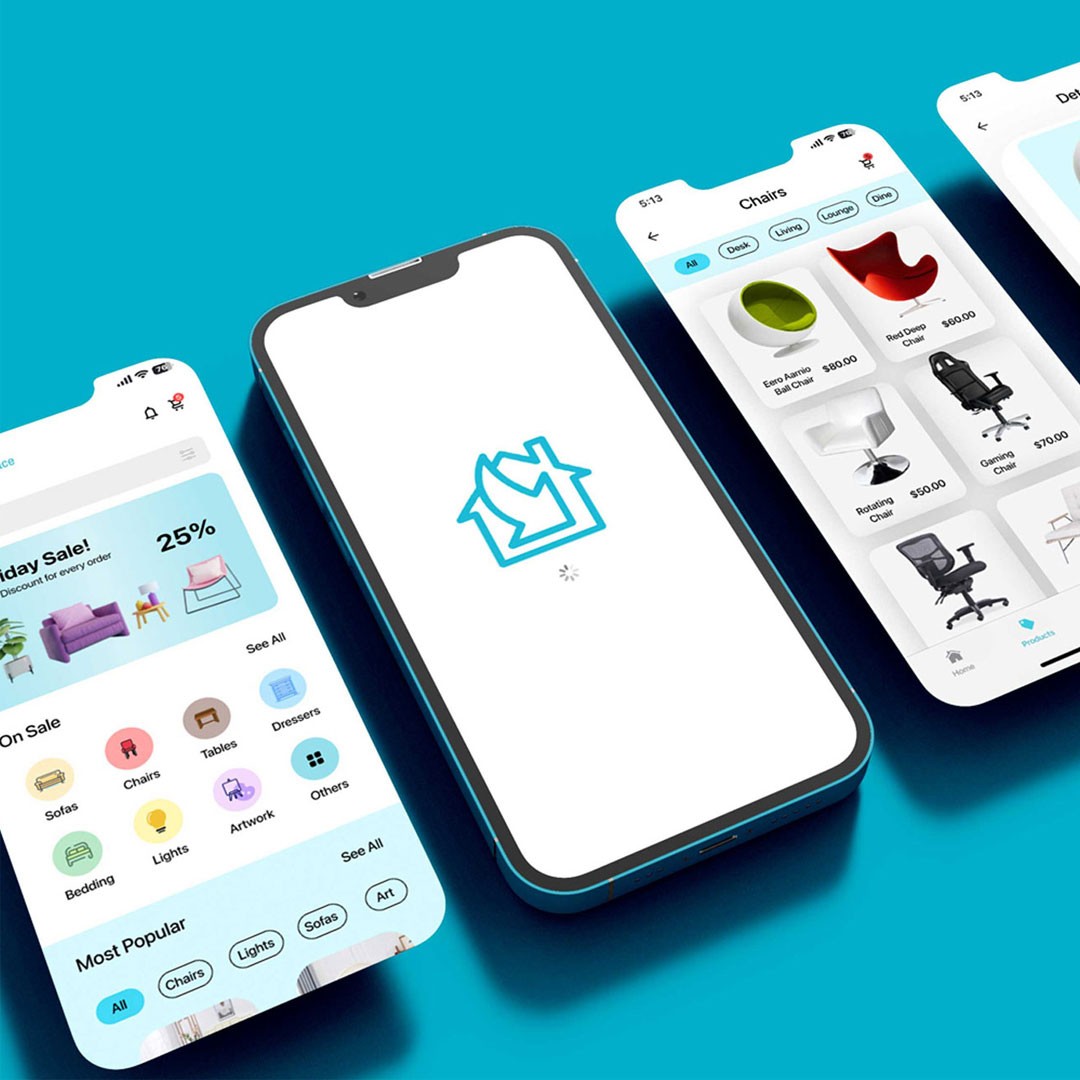
DreamSpace is an interior design app conceptualized in Figma that transforms the way
users envision and plan their living environments. Blending intuitive design tools with
augmented reality functionality, the app allows users to visualize furniture, layouts, and
décor directly within their own spaces before making decisions. The interface is crafted
to feel clean, modern, and approachable, guiding users through the design process
from inspiration to visualization.
DreamSpace is an interior design app conceptualized in Figma that transforms
the way users envision and plan their living environments. Blending intuitive
design tools with augmented reality functionality, the app allows users to
visualize furniture, layouts, and décor directly within their own spaces before
making decisions. The interface is crafted to feel clean, modern, and
approachable, guiding users through the design process from inspiration
to visualization.

Process
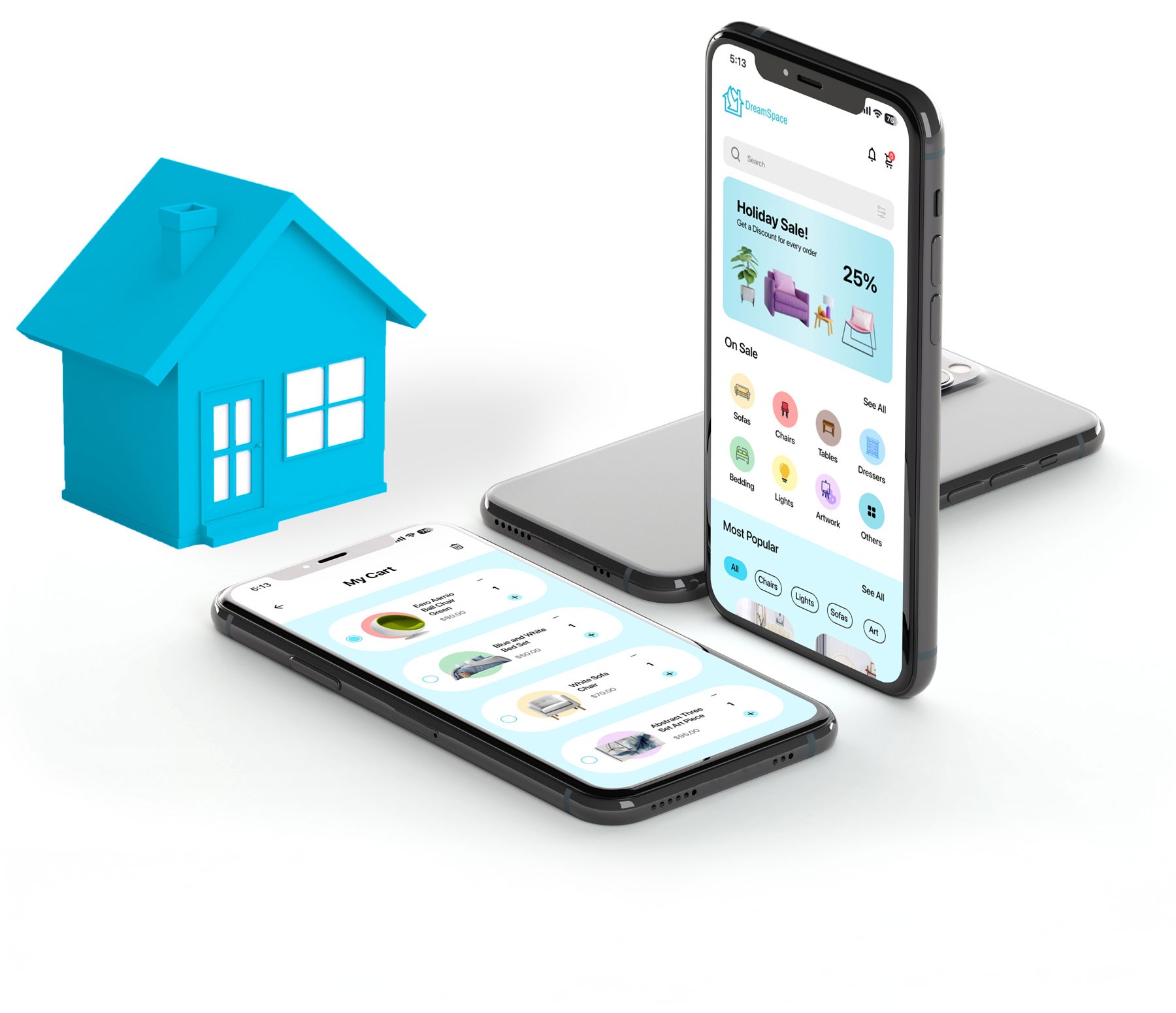
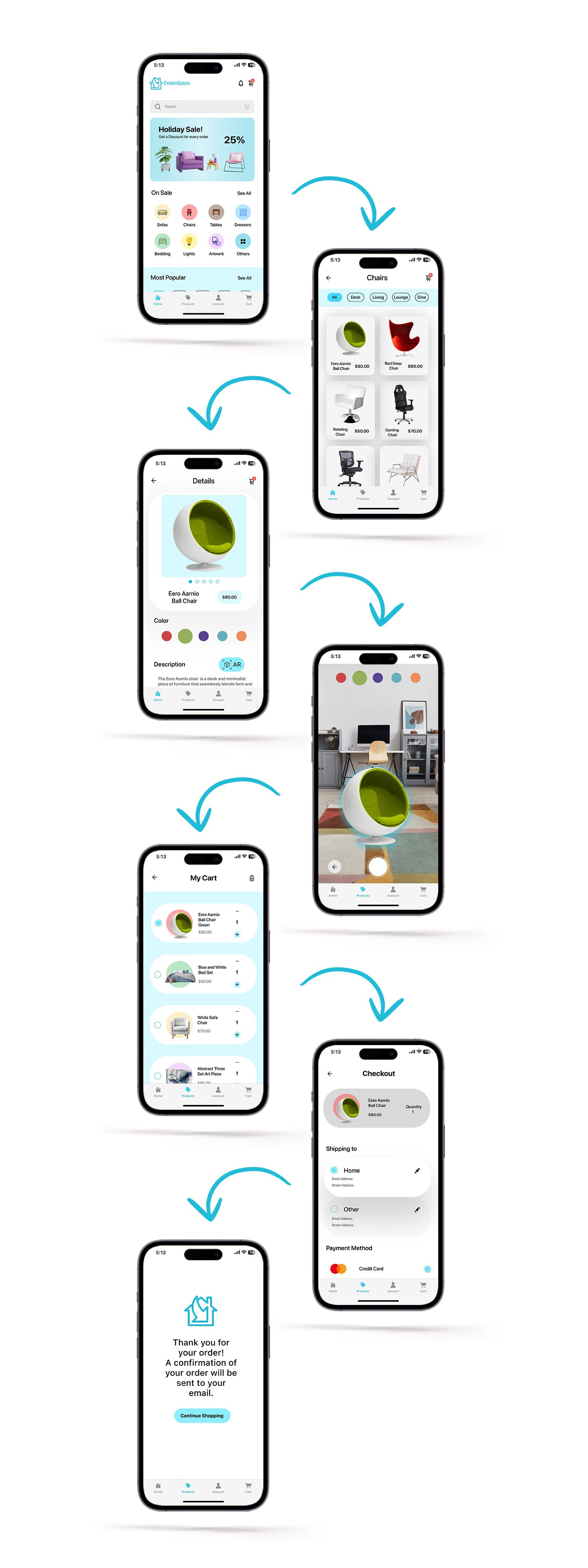
The design process for DreamSpace began in Figma with a focus on creating a calm,
intuitive environment that supports creativity and spatial planning. Early wireframes
mapped out the core user journey—from browsing inspiration to visualizing furniture
and layouts within a real space—ensuring the experience felt seamless and easy to
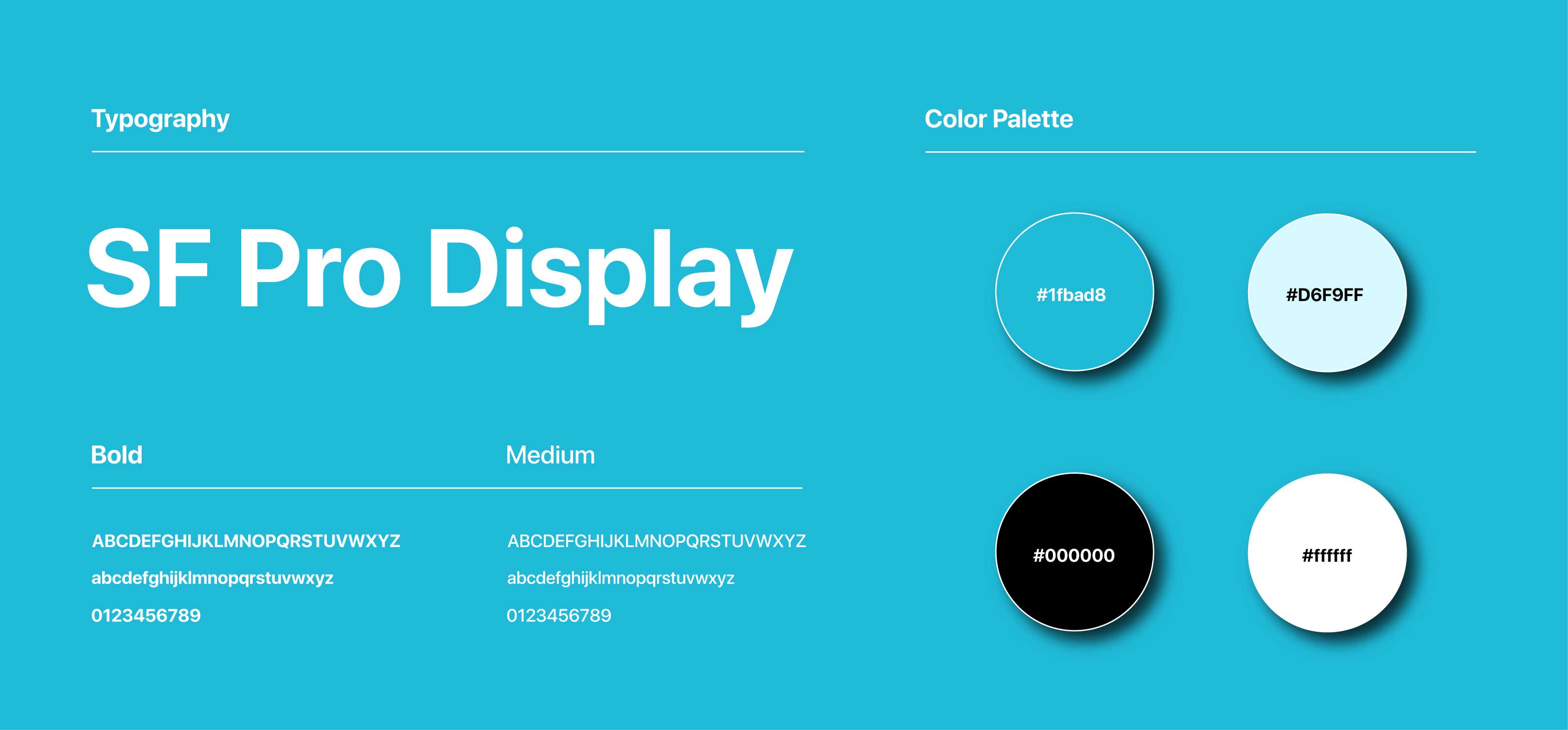
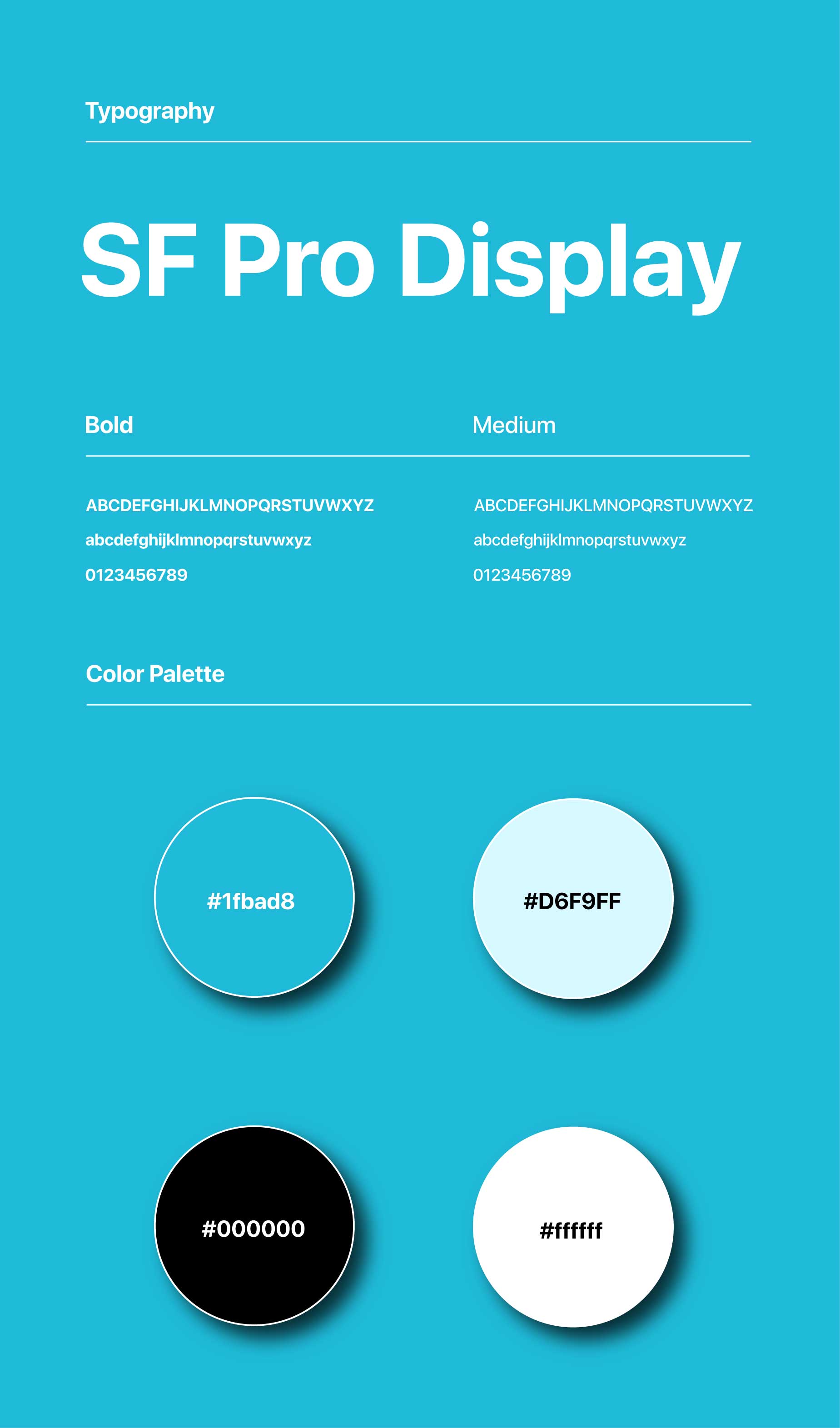
navigate. A blue-centered color palette was selected to establish a sense of trust,
clarity, and focus. The augmented reality feature was carefully integrated into the
workflow, allowing users to transition naturally from 2D planning to real-time visualization.
The design process for DreamSpace began in Figma with a focus on creating a calm,
intuitive environment that supports creativity and spatial planning. Early wireframes
mapped out the core user journey—from browsing inspiration to visualizing furniture
and layouts within a real space—ensuring the experience felt seamless and easy to
navigate. A blue-centered color palette was selected to establish a sense of trust,
clarity, and focus. The augmented reality feature was carefully integrated into the
workflow, allowing users to transition naturally from 2D planning to real-time visualization.
Conclusion
The final phase focused on responsive behavior and usability, ensuring that transitions
between browsing, designing, and AR viewing remained smooth across devices.
The result is a cohesive design that merges thoughtful aesthetics with immersive technology,
helping users confidently shape and visualize their interiors.
The final phase focused on responsive behavior and usability, ensuring that
transitions between browsing, designing, and AR viewing remained smooth
across devices. The result is a cohesive design that merges thoughtful aesthetics
with immersive technology, helping users confidently shape and visualize
their interiors.

SmileSafari
StyleGent
DreamSpace
Interior App Design
Year: 2024
Figma
Introduction
DreamSpace is an interior design
app conceptualized in Figma that
transforms the way users envision
and plan their living environments.
Blending intuitive design tools with
augmented reality functionality,
the app allows users to visualize
furniture, layouts, and décor directly
within their own spaces before
making decisions. The interface is
crafted to feel clean, modern, and
approachable, guiding users through
the design process from inspiration
to visualization.
Process
The design process for DreamSpace
began in Figma with a focus on
creating a calm, intuitive environment
that supports creativity and spatial
planning. Early wireframes mapped
out the core user journey—from
browsing inspiration to visualizing
furniture and layouts within a real
space—ensuring the experience felt
seamless and easy to navigate. A
blue-centered color palette was
selected to establish a sense of trust,
clarity, and focus. The augmented
reality feature was carefully integrated
into the workflow, allowing users to
transition naturally from 2D planning
to real-time visualization.
Conclusion
The final phase focused on responsive
behavior and usability, ensuring that
transitions between browsing,
designing, and AR viewing remained
smooth across devices. The result is a
cohesive design that merges
thoughtful aesthetics with immersive
technology, helping users confidently
shape and visualize their interiors.
SmileSafari
StyleGent